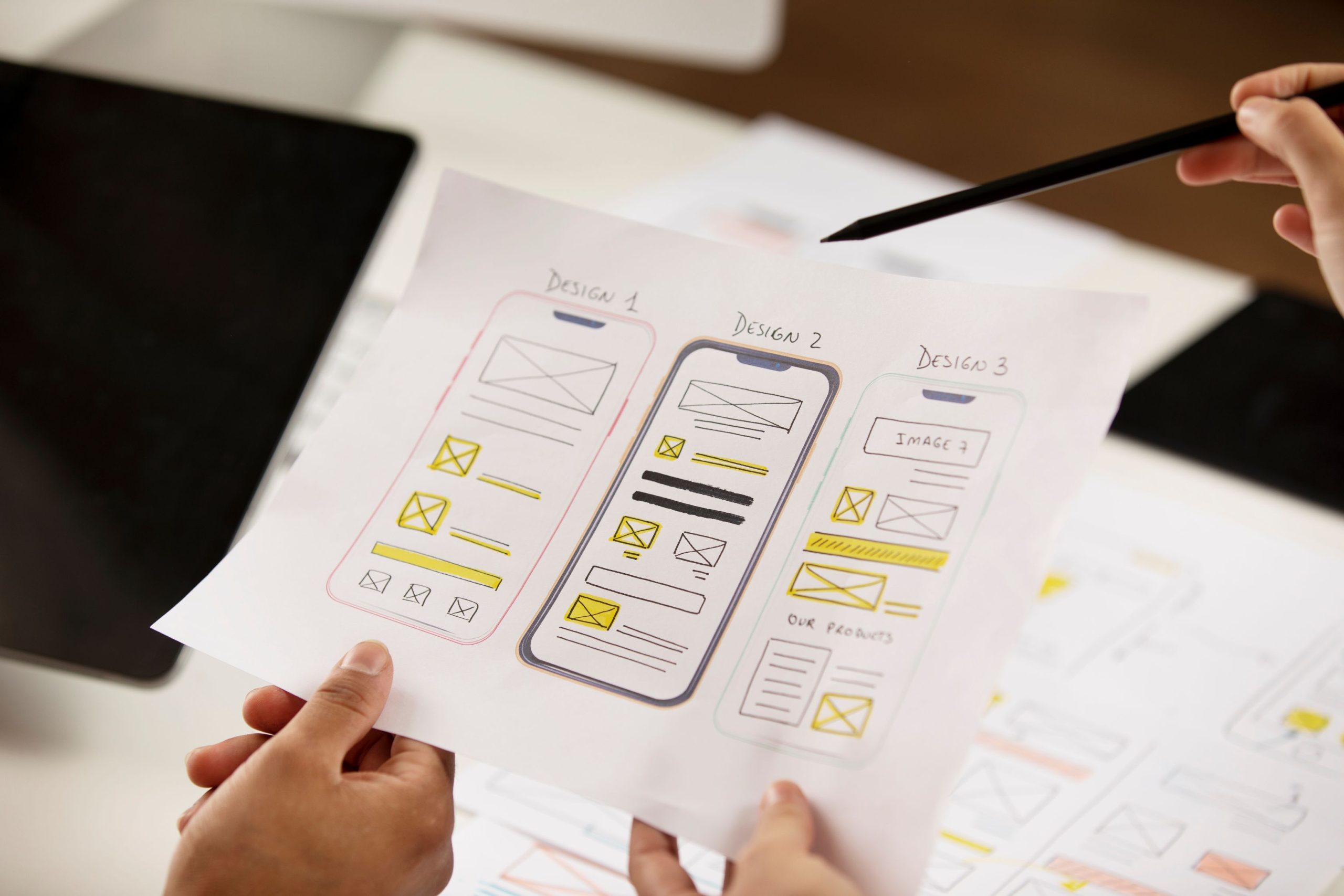


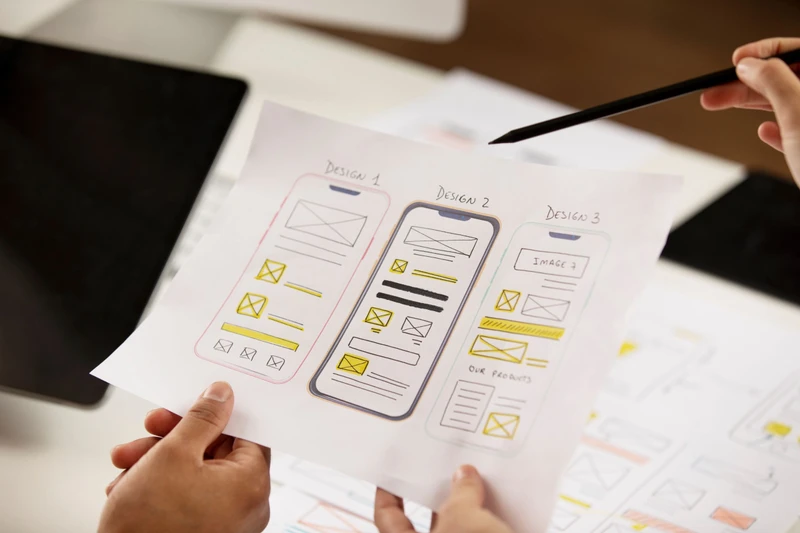
Technology leaders and design managers today face the same challenge: how to deliver high-quality digital products faster while keeping teams aligned. Traditional design-to-development cycles often break under pressure – handoffs are messy, files are inconsistent, and valuable time is lost. AI, or AI design workflow specially, is now changing that equation.
At CBTW, we see AI as a creative partner that amplifies human capability – automating repetitive design tasks so our teams can focus on exploration and innovation. Our design teams have implemented an AI-driven workflow that bridges design and engineering by transforming structured Figma files into clean, production-ready code. This approach saves significant time, reduces friction, and enables our teams to focus on what truly matters: creating exceptional user experiences.
Why the Design’s Structure Defines AI Effectiveness
The promise of AI in design is only realized when the systems behind it are structured, consistent, and machine-readable. Without clear organization, naming, and hierarchy, AI tools cannot interpret a design file accurately. That is why our AI design workflow begins with disciplined structure.

Our experience in AI design and delivery has proven one thing: the quality of an AI output directly depends on how the design file is built. The process starts with a well-organized foundation:
- Each page in Figma represents one screen with a defined viewport for desktop, tablet, or mobile.
- Layers and components follow consistent, meaningful names such as nav-header or btn-primary.
- Auto Layout defines spacing and alignment logic so that AI can translate it to CSS or grid systems.
- Variables and design tokens store reusable definitions for color, typography, and spacing.
- Documentation and notes describe component behavior, accessibility, and interaction states.
This structure allows AI agents to read Figma files as a form of structured data rather than static visuals. Once design intent becomes readable to machines, the workflow accelerates naturally.
Inside CBTW’s AI-Driven Design Workflow
Our implementation of the AI design workflow reflects the same principle: better structure equals better output. Once the foundational template is finalized, AI tools like Copilot and Cursor can automatically interpret the file and generate layout code that follows component logic.
The workflow unfolds as a collaborative cycle:
- Design system creation – Designers build Figma files following standardized rules for naming, components, and tokens.
- AI interpretation – AI agents process the file hierarchy and generate initial code structures aligned with the design.
- Human refinement – Developers review and optimize AI-generated outputs in Dev Mode, maintaining both accuracy and intent.
- Code deployment – Clean and consistent code moves directly into engineering pipelines for testing and release.
By following this process, our design and engineering teams have reduced manual layout work by nearly half while ensuring code accuracy remains high. The key is not the automation itself but the trust built through a shared system of logic between design and development.
How Collaboration Evolves with AI
Introducing AI into the workflow reshapes how teams collaborate. Instead of operating in separate silos, designers and developers now co-own the same design language. The AI design workflow demands shared responsibility for consistency and semantics.
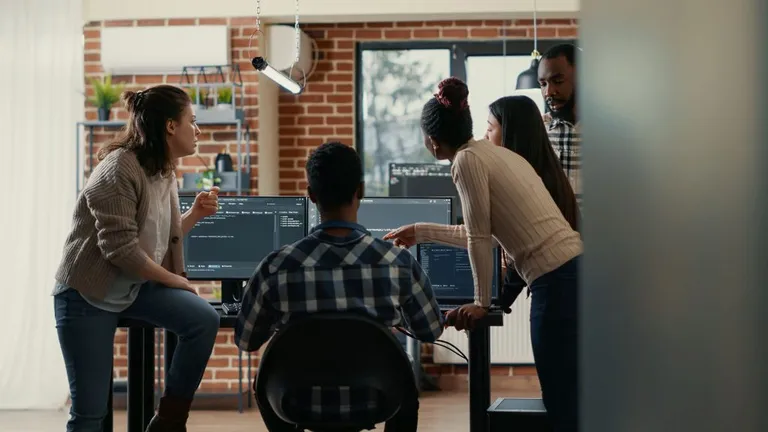
Teams align around three guiding principles:
- Shared language: Designers think in components that translate directly into code, while developers maintain naming and token standards.
- Continuous documentation: Each design element includes notes that describe function, interaction, and accessibility, allowing AI to interpret context accurately.
- Feedback loops: AI-generated outputs are reviewed collectively, combining automation efficiency with human oversight.
This shift does more than improve productivity. It builds a stronger connection between creativity and engineering discipline, making every project more predictable and scalable.
Business Outcomes and Long-Term Value
The adoption of an AI design workflow has generated measurable results for CBTW’s delivery teams. Design-to-code handoff times have dropped significantly, and visual inconsistencies across projects have decreased. Accessibility and compliance checks now begin earlier in the process because AI tools can interpret documentation and contrast tokens directly within Figma.
The broader impact is strategic. Teams can iterate faster without compromising quality, developers start with cleaner inputs, and designers regain the space to innovate. This is not about replacing human roles but amplifying their collective efficiency through structured intelligence.
For leaders, the message is clear: AI becomes valuable when paired with disciplined systems. Structure is the foundation that allows creativity, technology, and collaboration to work in harmony.
From Design to Delivery, Together
The future of digital product creation will depend as much on designing for AI as on designing for users. When every component, layout, and variable follows a consistent language, AI can turn that logic into production-quality interfaces with speed and accuracy.
Our vision remains the same – technology should serve people and enhance creativity, not constrain it.